
Running a Sex Offender Check in Shasta County
The official starting point is the California Megan's Law Website. California DOJ manages the California Sex Offender Registry and publishes the portion state law permits the public to see. Shasta County law-enforcement agencies take registrations within their jurisdictions and forward that data to DOJ. The state site is therefore the common public layer for Redding, Anderson, Shasta Lake, and unincorporated Shasta County.
Searchers should collect a full name, approximate age, city, ZIP code, or address before opening results. Similar names are common, and DOJ warns that name, age, and address alone can produce mistaken identity. A profile is a safety resource, not proof of a new crime, current custody, or a complete criminal court history. Filed charges and dispositions remain with Shasta Superior Court.
Shasta County Registry Disclaimer Gate
The state places a conditions-of-use screen before its search tools. The Megan's Law disclaimer explains that public information comes from local agency reports and registrant updates. It also warns that entries may be incomplete or inaccurate and that some registrants are not shown because California law limits disclosure.
The disclaimer is more than a click-through notice. It sets the permitted purpose, warns against harassment and crime, and asks users to account for mistaken identity. Read it before using an address or map result for a safety decision.
This official screen shows the conditions users must accept before a Shasta County search.
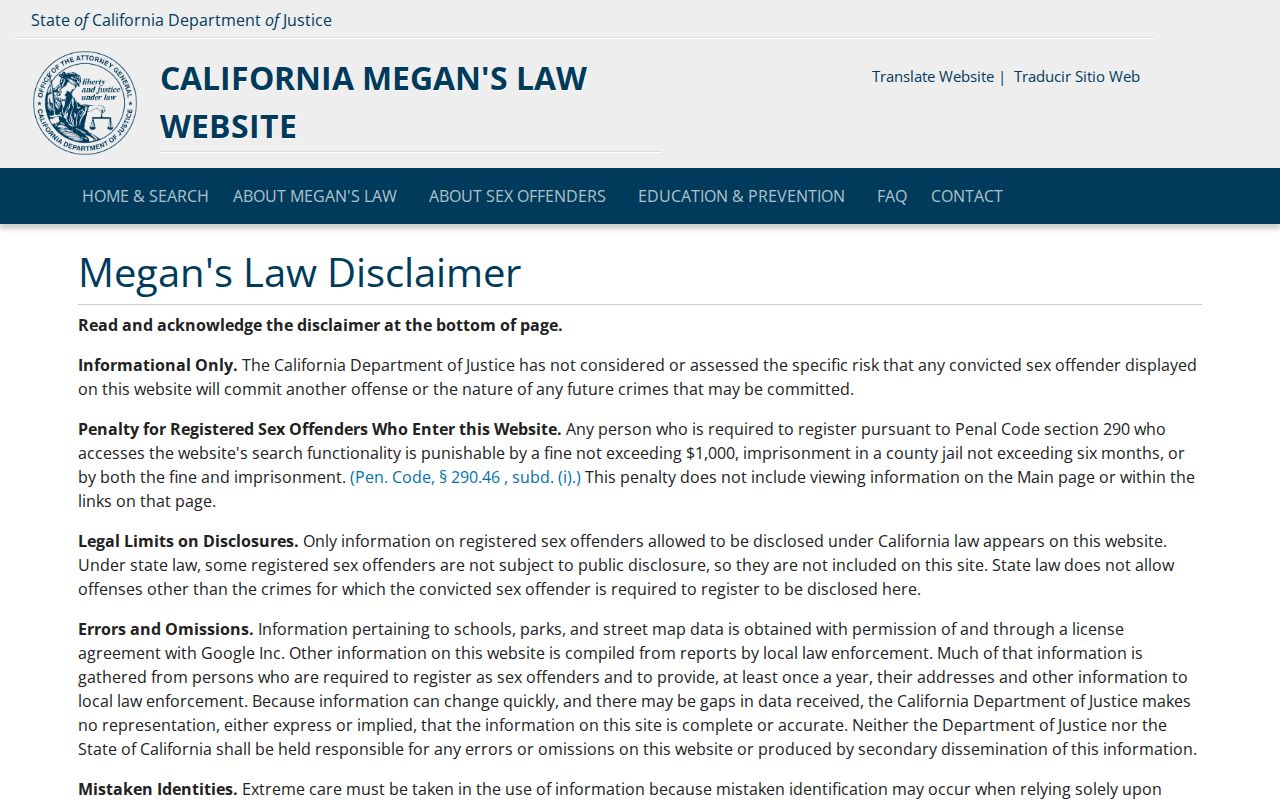
The warning frames every result that follows and should remain part of how the record is interpreted.
Searching the California Megan's Law Website
The registry supports more than one search path. Use the narrowest reliable facts, then compare the profile photo and physical description before drawing a conclusion. The official Megan's Law search interface is updated daily from information provided by local law enforcement.
- Open the state website and accept its conditions of use.
- Choose a name search or a geographic search by address, city, ZIP code, or county.
- Review possible matches and compare age, photo, physical traits, and location.
- Open the full profile and note the offense, posting category, and last-known location.
| Search field | Type | Required | Use |
|---|---|---|---|
| Last name | Text | No | Pairs with first name for a person search. |
| First name | Text | No | Helps narrow common surnames. |
| Address or map | Geographic | No | Finds publicly posted locations near a place. |
| City or ZIP | Geographic | No | Narrows results to a local area. |
| County | Select | No | Filters the public results to Shasta County. |
The captured search screen reflects the public interface used for name and location checks.
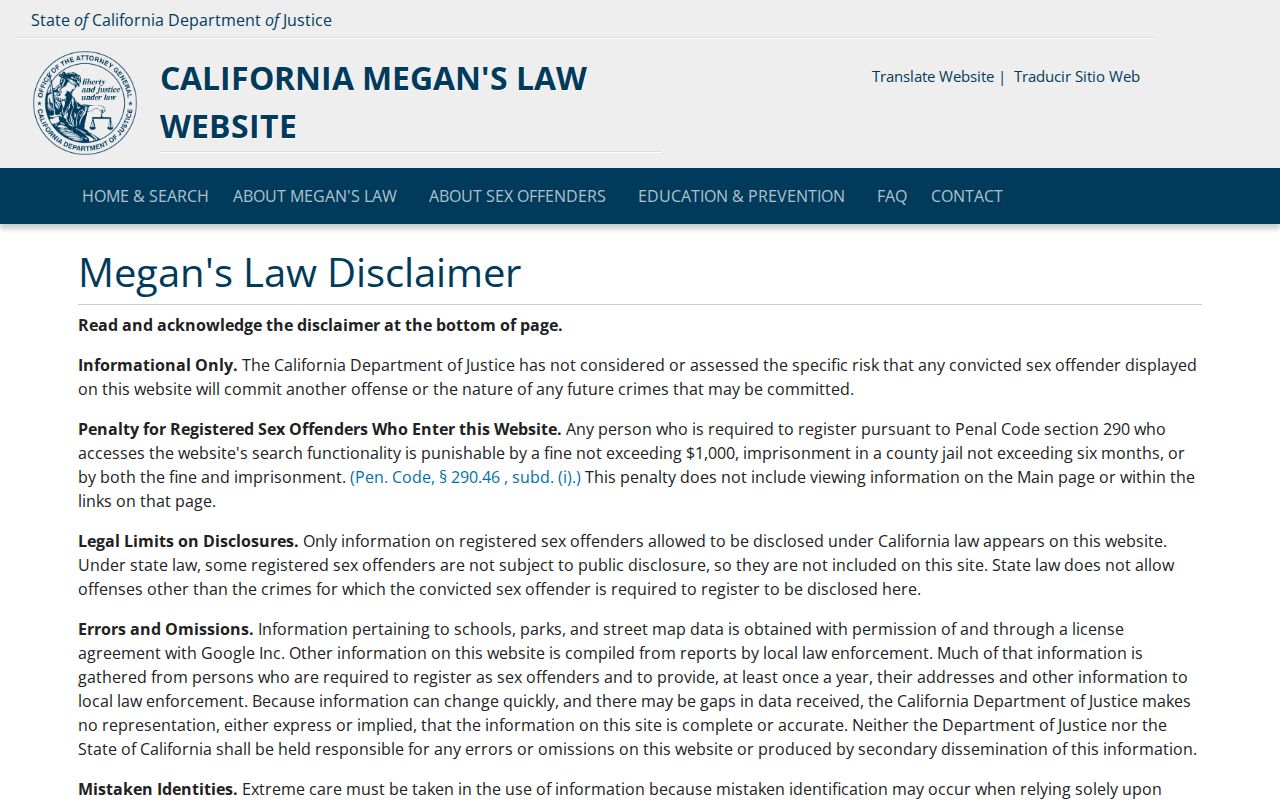
A broad county filter can be followed by a more precise name or location query when too many results appear.
Shasta County Registration Updates
A person convicted of a qualifying offense registers with the law-enforcement agency that has jurisdiction over the residence. In Shasta County, that may mean the Sheriff's Office, Redding Police Department, or Anderson Police Department. Shasta Lake receives police services through the Sheriff's Office. Local agencies send updates to DOJ, and DOJ states that the public site is refreshed daily.
California requires registration within five working days after release into the community and after a move into a jurisdiction. Most registrants update annually near their birthday. Transient registrants report every 30 days, while sexually violent predators report every 90 days. A daily website refresh cannot correct information that has not yet reached the local agency, so a stale location may need agency or DOJ review.
What a Registry Profile Shows
A public profile combines identity details with the disclosure California law allows for that registrant. DOJ's summary of California registration laws explains why profiles do not all show the same amount of location data.
| Name and aliases | Published identity names available to DOJ. |
|---|---|
| Photo and description | Image plus age or birth information and physical traits used to check identity. |
| Location | May be a home address, ZIP/city/county, or no public location, depending on law. |
| Offense | Qualifying conviction and related statutory information. |
| Tier | California registration tier when available under current rules. |
| Status | Registration and location details reported through local law enforcement. |
Absence from the public site does not establish that a person has no registration duty. Some people are excluded from public display, and some profiles disclose only a general area.
Shasta County Address Display Limits
California's posting rules create three practical outcomes: full address display, ZIP or community-level display, and no public display. The category depends on the conviction and statute, not on a user's search method. A map with no marker near a home is therefore not a complete statement about all registrants in that part of Shasta County.
The state law summary illustrates how the posting categories work.
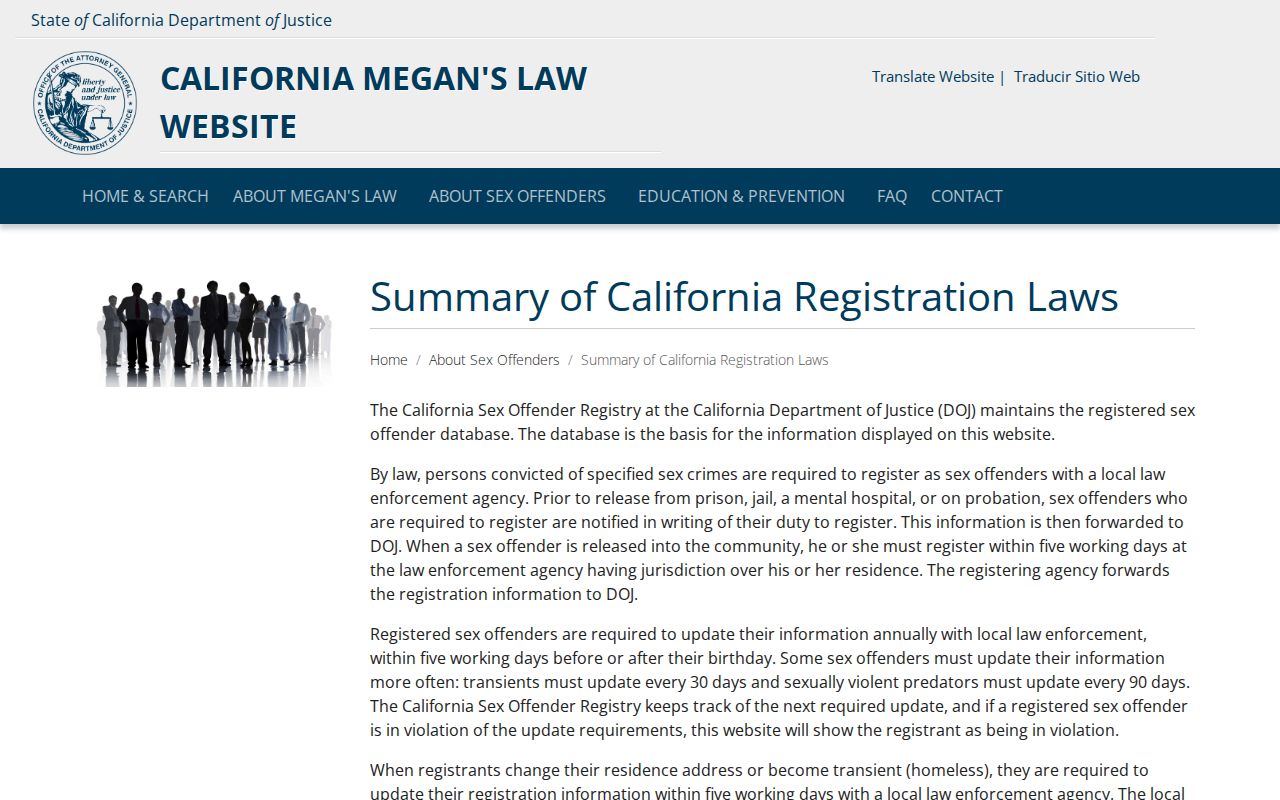
Readers should treat the level of location detail as a legal disclosure choice, not as a measure of risk or compliance.
Registration Requirements and Levels in California
California's SB 384 system uses three adult tiers. The minimum term does not always end registration on its own. Eligible registrants may need to petition for termination after completing the minimum period, and statutory conditions can affect eligibility. Juvenile rules may differ.
| Tier | General adult duration | Routine update |
|---|---|---|
| Tier 1 | 10 years | Annual near birthday, plus required change reports |
| Tier 2 | 20 years | Annual near birthday, plus required change reports |
| Tier 3 | Life | Annual near birthday, with more frequent rules for designated groups |
Transient registrants update every 30 days, and sexually violent predators update every 90 days. Those schedules are duties, not a promise that every detail will appear publicly.
Daily Shasta County Data Cycle
The public record moves through a clear chain. A registrant reports to the agency with local jurisdiction. That agency verifies and sends information to the California Department of Justice. DOJ maintains the central registry and refreshes the Megan's Law Website each day. Each step can affect timing.
Update flow: Shasta County law enforcement › California DOJ registry › Megan's Law public website.
The Penal Code section 290.46 page shows the law governing the public website.
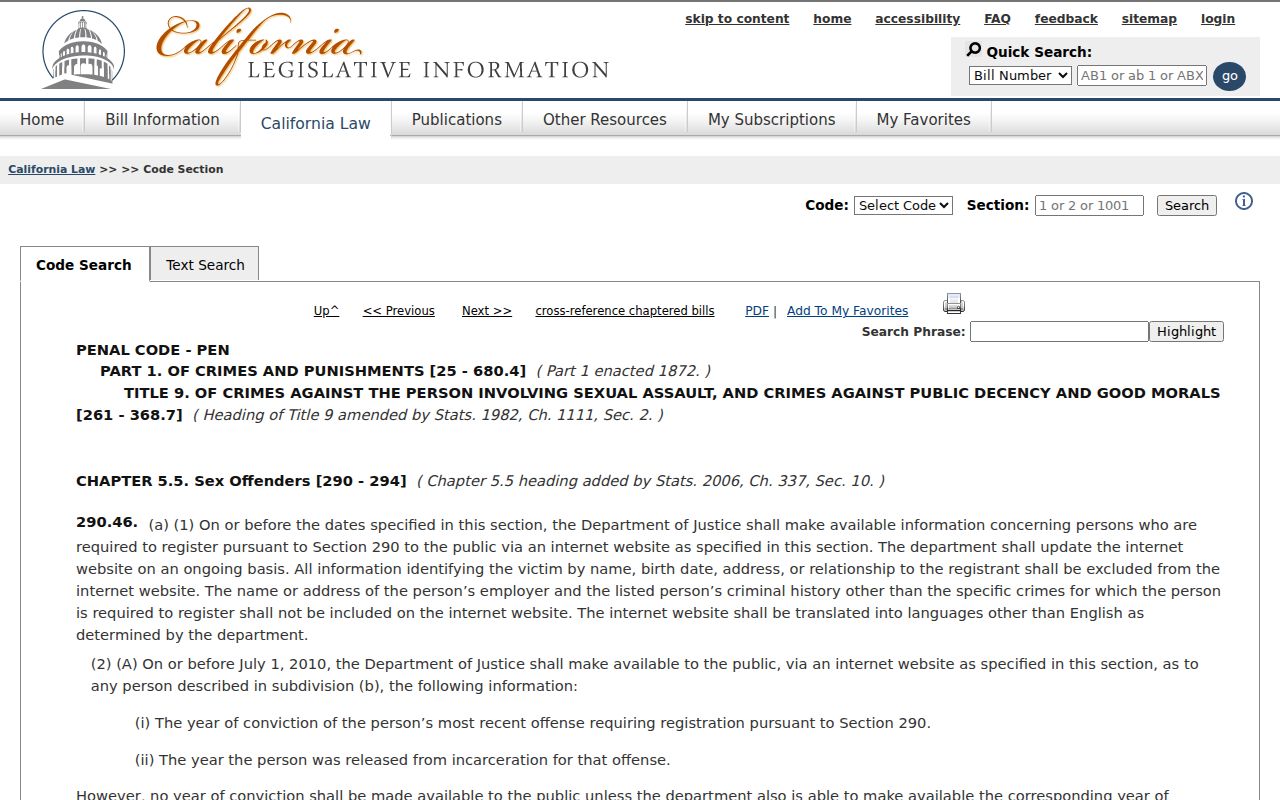
The statute also supplies the misuse rules that apply after a user opens a Shasta County result.
Shasta County and NSOPW
A California search is best for a person believed to live in Shasta County. When the location may cross a state line, use the National Sex Offender Public Website. NSOPW sends one query across participating state, territorial, and tribal public registries. It does not replace the underlying California profile or expand what California may lawfully publish.
The national portal provides the wider search layer.
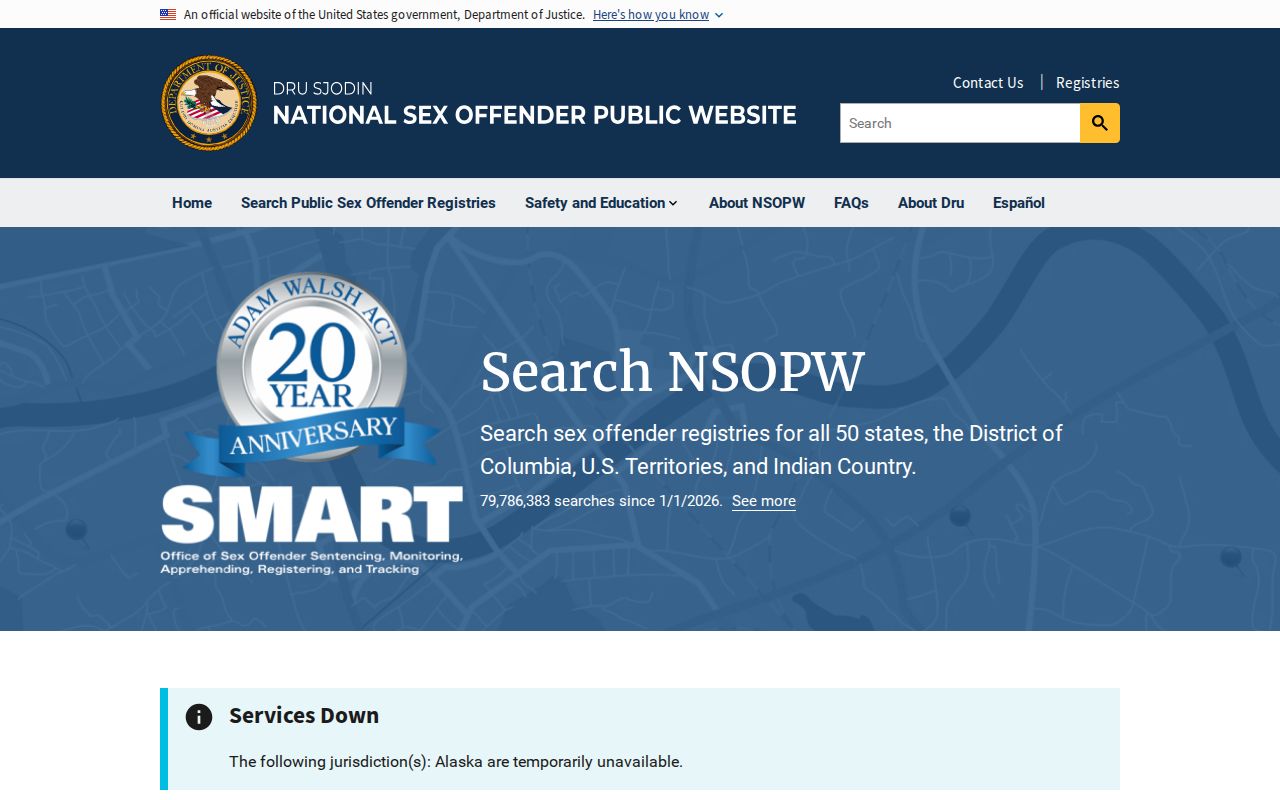
Open the state-supplied result for the most direct details and read that registry's warnings before relying on it.
Correcting Shasta County Registry Errors
Start by documenting the exact profile field, the search date, and the reason it appears wrong. DOJ's disclaimer provides a correction contact for Megan's Law information. Because local law enforcement supplies registration data, an address or status issue may also need review by the agency that took the registration.
Do not confront the person shown. A similar name or old address can point to the wrong individual. Submit the concern to DOJ or the responsible Shasta County agency and allow the record custodian to verify the source.
Lawful Use and Community Notification
Registry information exists for public protection. It can inform family plans, neighborhood awareness, and conversations with local law enforcement. It does not authorize threats, surveillance, harassment, or punishment by members of the public. Nor does a profile replace current police advice about an urgent safety risk.
Use registry data lawfully: Penal Code section 290.46(j) allows criminal prosecution and civil liability when information is used to commit a crime or harass a registrant or family member.
Section 290.46(i) also prohibits a person required to register from accessing search functionality and provides a possible fine, county jail term, or both. For immediate danger, contact emergency services. For suspected noncompliance, report the facts to the law-enforcement agency with jurisdiction rather than acting on the profile yourself.